
Monitoring
Pekapeka monitoring
to investigate the presence of bats/pekapeka within the HVA.
Northland is home to two species of pekapeka/bat; long-tailed bat (pekapeka-tou-roa; Chalinolobus tuberculatus) and Northern lesser short-tailed bat (pekapeka-tou-poto; Mystacina tuberculata aupourica).
The Northern lesser short-tailed bat is very rare in Northland with only two known populations remaining. The long-tailed bat is also rare, but is known to inhabit several areas within Whangārei.
NRC places automatic recording devices in different key locations in the HVA to detect presence of these rare animals.
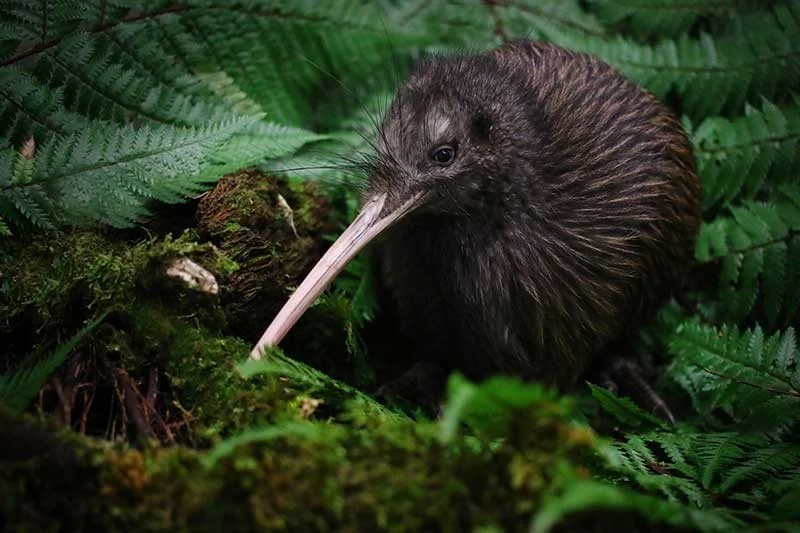
Kiwi monitoring
How do we know how many kiwi we have in our area?
We need to resource to the kiwi count time! That is when we sit in the bush at night and listen carefully to the male and female calls of our kiwi bird, assess the distance and the direction of the call and fill in this information on our annual data sheet.
Do you wish to learn and help?
Send us an email and we will alert you in advance of the right time, usually at the beginning of winter, and we can train you to count kiwi!
Bittern monitoring
The matuku, or bittern, is rarely seen or heard these days but was once common on the Tutukaka Coast, including around the Matapouri and Ngunguru estuaries. It is estimated that there are now less than 900 birds left in New Zealand. Loss of wetland habitat, predation by mustelids, cats and dogs, and poor water quality are all factors in their decline.
They like living in shallow, densely vegetated wetlands and feed around estuaries, streams, drains, flooded paddocks and roadsides.
From September through October and November we use automatic recorders at a number of wetlands, rivers and estuary sites to see if we can pick up the booming in the early morning and at sunset.
Anyone can also participate to the survey once a year, sitting by a wetland for 1 hour at the time and carefully trying to hear the funny boom.
The results are added to data set to get an overall picture of the bittern population as part of the much larger collaborative Matuku Northland survey project.

8 target species of birds
Commencing in winter 2021, quarterly bird count surveys have been undertaken using the standard five-minute bird count (5MBC) method applied to 8 target species (bellbird, fantail, grey warbler, kaka, kingfisher, kereru, tomtit, tui).
This is part of a national data collection that has been happening since the 1970s. The 5MBC method does not measure the actual density or abundance of birds directly, but records some of the individuals present and uses this measure to infer density or abundance.
TLC has six fixed sites, each with 10 count stations in a variety of different habitats. The survey is carried out in Autumn (Mar. – May) of each year.
If you want to learn how to count these indicator species of birds, email us at info@tutukakalandcare.org.nz to join us in the effort.

Photo by Malcolm Pullman