What about the piwakawaka and the rimorimo?
Everybody is aware that invasive animals (especially mammals, but not only) are a threat to our nature, our forests, our birds and our biodiversity. Invasive rats, stoats, weasels, possums, wasps predate on small birds and eggs, while possums, wild goats, wild pigs eat foliage, fruits and roots of plants, overall reducing the food and shelter for native birds and causing a drop in their abundance.
But what about invasive plants? Maybe not many people are aware of the mechanisms that make invasive plants as bad to our biodiversity as animal pests. Losing abundance and species of insects and birds might not sound worrisome to some people but the whole functioning of the ecosystem depends on the interrelationships among all species, and a non–well functioning ecosystem is prone to weakening against changes. And if you are also not concerned about the protection that our natural ecosystem offers in face of environmental changes, you could possibly be more interested considering the loss of income from, for example, dropping interest from tourists once the habitats are degraded, with fewer plants and animal species. Visitors are attracted to this area mostly for its high biodiversity and beauty. Therefore, it is important to protect such wealth for many reasons.
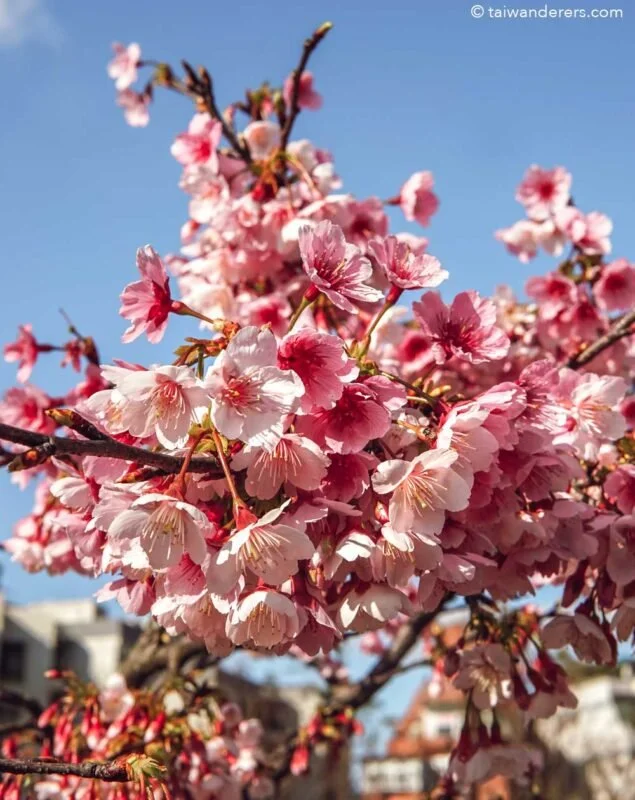
What make plants invasive? Introduced or alien plants become pests or invasive when they outcompete native plants, causing ecological, economical or human health harm. The competition is for light, water and nutrients. Invasives also cause alteration of soil chemistry and creation of habitats that favour associated pests. Ultimately, invasive plant pests replace the native flora.
The main signs of the problems that you can witness everyday on public land or in your property are:
Dense monoculture covering >30% of the ground within 3–5 years (ex. Pampas grass)
Ability to re-sprout from root or branch fragments after removal attempts (ex. flame trees)
Prolific seed production that creates a thick litter layer (ex. Taiwan cherry)
Rapid spread beyond original planting zone, into adjacent natural areas (ex. Tree privet)
These invaders cause overall natural biodiversity, not just that of plants: indeed, they also cause reduction of the abundance of native animals, insects and birds included.
How does this happen?
Invasive plants can reduce bird food, optimal nesting sites and cover from predators. They can also increase mortality and change behavior of native birds in many subtle ways.
Yes, tūi seem to not have problem feeding on Taiwan cherry (Prunus campanulata) and flame tree (Erythrina sykesi) (both highly invasive!) but such trees can also be unpalatable and even toxic to insects, thereby decreasing an important food source for other native birds. Further, even if the nectar of a tree seems to be appreciated, it might not be as satisfying as a natural source of food. Indeed, the seeds and fruit of invasive plants typically provide much lower nutritional value as compared to native plants.
There is also another problem with native birds feeding on invasive plants. It has been studied that invasive plants produce fruits when native ones are scarce, thus they become attractive to native birds. If later the invasive plant is removed to prevent its pesty predominance on the native ecosystem, the abundance of the birds that were feeding on the foreign fruit declines!
Finally, when birds feed on exotic fruit, they become dispersers of such foreign plant seeds, enhancing the problem and spreading the invasion elsewhere.
Tūi might have adapted to eating flame trees and Taiwan cherry nectars, but they are generalist birds. What about the riroriro the miromiro , the piwakawaka…?
Some native birds do not feed on nectar and fruit (or not only!). Tūi (Tui Prosthemadera novaeseelandiae) for example feed mostly on nectar, but also on insects during mating season; miromiro (tomtit, Petroica macrocephala), tauhou (silvereye, Zosterops lateralis), riroriro (Grey warlbler, Gerygone igata) and piwakawaka (fantail, Rhipidura fuliginosa) feed on invertebrates, and so on.
The species that feed on insects diminish in number in the presence of invasive plants. Insects are indeed highly specific to specific plants and when the native plants are replaced by the invasive ones their abundance drops. This in turn reduces the protein‑rich prey that insectivores and even less specialised birds need during mating or growth periods (like tūi), leading to lowered reproductive success.
When the proportion of native vegetation drops below a critical threshold, the remaining bird community often becomes dominated by a few adaptable species, and the ecosystem’s resilience to further invasion weakens.
Homeowners and landscapers can make the smart and easy choice of including native vegetation in their landscape. You can decide to promote native vegetation anytime! Starting in your own backyard is a great way to go.
Here is an idea of native plants that naturally attract native birds along the whole year:
Puriri (Vitex lucens, summer, autumn, winter) and kowhai (Sophora tetrtraptera, spring) would attract tūi and wood pigeon.
Nectar of manuka (Leptospermum scoparium, in spring and summer), harakeke (flax, Phromium tenax, summer), karo (Pittosporum crassifolium, spring-summer), rewarewa (Knightia excels, spring) and pōhutukawa (Metrosideros robusta, spring) will be eaten by tūi.
In comparison, flame tree and Taiwan cherry will be only available in spring. Both of these species are on the List of (386) Environmental Weeds in New Zealand 2024, exotic plants that are established in the wild and have significant impacts on natural ecosystems. This list includes plants of the like of pampas, Cotoneaster, jasmine, ivy, wild ginger, tree privet, woolly nightshade, passionfruit etc.
Youcan help prevent the spread of invasive weeds by participating in local efforts,c like S.W.A.T Weedy Wednesdays or Saturdays, and educating others about the importance of maintaining biodiversity.